DT X Verta (ft Pantheon): Ep2 Drum Heads
In this series, we work together with Verta Collective and industry experts to answer your commonly asked questions about drumming. Today we talk to Pantheon Percussion to understand a little more about the different kinds of drum heads available on the market. There are tons and tons of different drum heads available, with different specifications including thickness, number of plies (or layers), internal muffling embedded heads, unique proprietary materials, and even technology like mini holes at the side of the heads. These factors affect the sounds of the drums and are highly dependant on the sound you are going. We also discuss accessories like snare wires and different muffling tools out there on the market. Watch the full video below to learn more, listen to different drum heads samples, or read the article below to summarize what we have discussed.
Content
Technicals Terms
Make sure you understand the different terms discussed in the video before you watch or move on to the next section. Below is a comprehensive list of the terms that we would be using today.
Plies (Or ply): Referring to the number of layers on the drum heads. Each ply can have a different kind of thickness depending on the manufacturer’s specifications.
Mil: Unit of measurement used to measure the drum heads’ thickness; mil is equivalent to a thousandth of an inch (0.001 inches).
O – Ring: A circular external muffling product (read under muffling tools to find out more).
Power Dot: A common feature in drum heads across brands, power dot heads have a circular patch right in the middle of the heads to enhance durability and provide a more focused sound.
Coating: The layer of finishing on the drum heads, coated heads, refers typically to a white finishing layer on top of the regular heads.
Skins: Commonly used alternative term for drum heads.
Overtones: High-frequency ring on top of the fundamental pitch of the drums
-> Go to Episode 1, where we discuss drum tones and other drum terms definitions.
Roles of the drum head
As discussed in the video, when you hit the drums, you are hitting the drum heads. The heads send the vibrations through the drums and help the drum resonate. Different kinds of drum heads affect the heads’ mass, which fundamentally affects the pitch of the head itself. The more mass the head has, the lower pitch it will sound. Choosing the correct kind of drum heads makes it much easier for you to achieve the kind of sound you want.
In Pantheon Percussion’s workshops, participants try out over ten different drum heads and compare the different pitch. Head on to their Facebook/ Instagram to find out more about their next workshop!
Ply and Materials
The more layers of heads, or the thicker each layer is, essentially add to more weight, resulting in a much lower pitch and controlled sound. Each ply can start from 2mil (typically for resonant heads) to 10 mils. Some drum heads also include different materials to add to the weight; materials like kevlar, oil (sometimes found in between 2 ply heads), unique proprietary blends all add to the drum’s resilience and weight.
An order you can refer to will be (from light to heavy):
Single-ply clear
Single-ply coated
Double-ply clear
Double-ply coated
Double-ply coated with attached muffling.
Unique blends/ other materials
Snare Wires
Snare wires are what differentiates (mainly) a snare and tom. When you hit the snare (with the snare wires engaged, of course), the wires rattle, resulting in the snare sound that we know. The more strands of wires there are, the more “sensitive” the snare becomes; as discussed in Episode One with Pantheon percussion, you can counteract a deep snare’s lack of articulation with more snare strands.
You will also find snare strands with coatings out there in the market. Uncoated wires are drier and have more articulation, while coated wires have a brighter sound.
-> Learn more about how to use your practice pad effectively
Muffling Tools
There are tons of different muffling tools in the market; there are also cheap DIY versions available. What muffling tools essentially does is to add additional mass to the heads. As we have learned earlier, additional mass helps to dampen the overtones and create a lower pitch. Different dampening levels allow you to adjust and control the tone on the fly without changing drum heads.
We explore the commonly found dampening tools found on the market; you can also find out more about the DIY dampening tools in the video above.
Moongel: A translucent blue sticky gel developed by RTOM, the moon gel is a washable and reusable dampening product used by many professional drummers in recording and live situations. Over the years, there have been a couple of companies that have come up with similar products. Products like Drumdots and other companies are worth a look as well.
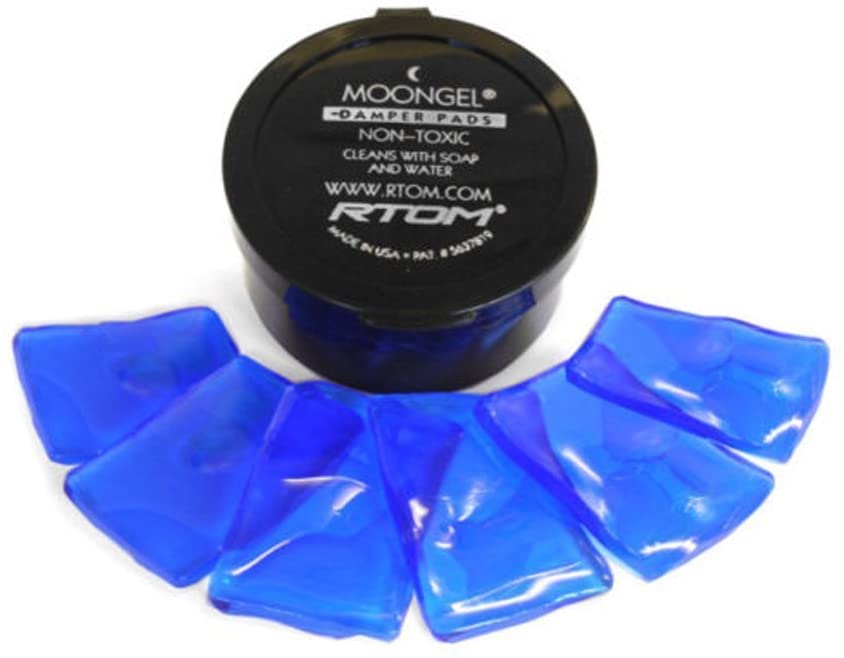
Price: SGD$10 (for a pack of 6)
Where: Singapore Drum Shop
*HACK ALERT: Discovery made by our friend, you can find a low budget version of Moongel called earthquake gel in Daiso (that’s right, its two bucks for four pieces!). However, it is slightly less sticky, and you have to cut it to size yourself.
O – Rings: O Rings are next-level products and dampen the drums at a much higher level. They are rings of plastics that you put on top of the drum heads. Many O rings versions exist, ranging from different materials to different width, or some rings even have special add ons to give a unique sound. Read more about O-rings here.
Remo O-Rings
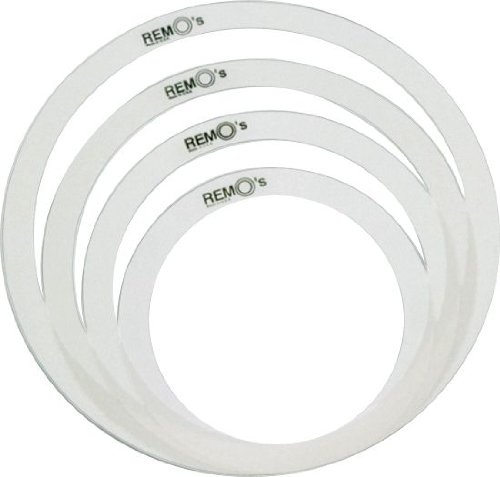
Price: SGD$10.90 (Pack of 4)
Where: Sweelee
Remo Control Ring
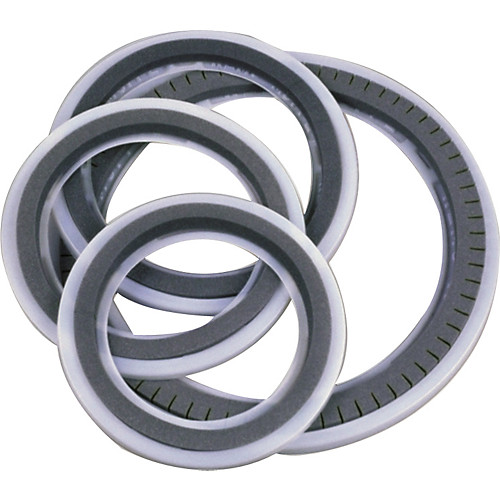
Price: SGD$22.90 (for single 14″ piece)
Where: Sweelee
Big Fat Snare Drum (BFSD) – Steve’s Donut
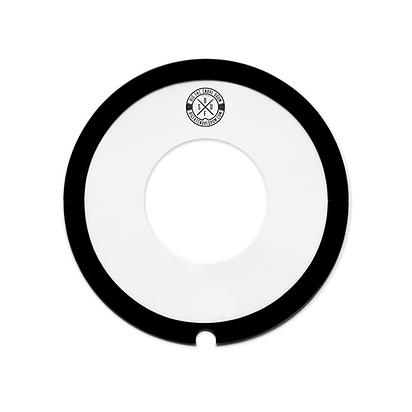
Price: SGD$30 (single piece)
Where: Singapore Drum Shop
Big Fat Snare-Bourine Donut Head
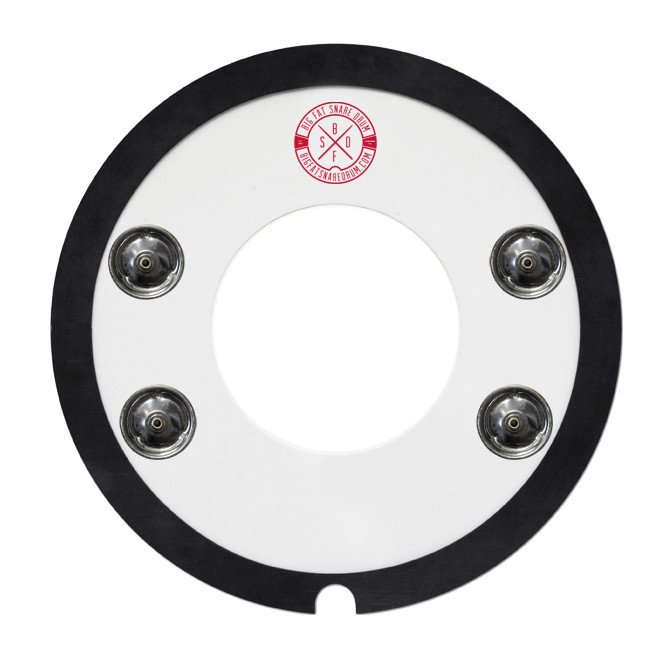
Price: SGD$40 (single piece)
Where: Singapore Drum Shop
Summary
Do your research, always start with a sound concept in mind, and work towards that direction. There are too many products on the market, and the number of combinations you can do is endless. Listen more closely to each drum the next time you hear it and discern the difference in tonal qualities in each drum. From there, you can start shaping your ideal sound. Start with choosing the right drums and slowly shape the sound using different drum heads and add ons. All the best!
Remember to check back next week as we will be talking about drum tuning!