DT X Verta (ft Pantheon): Ep5 Drumset Tuning
We have covered a wide variety of topics and methods regarding tuning so far – how to choose your tone, drum heads, how different materials affect the sound. We even covered a quick and easy method to tune up your snare drum. Today we will apply the method on the entire drumset and give you a starting point for each tom/bass drum. The idea of this method is to cover a range of pitch intervals down the drums. We will also share some tips and tricks to get the sound you want regardless of genre.
-> Learn more drum tones in our first episode with Pantheon Percussion
-> Learn more drum heads in our second episode with Pantheon Percussion
-> Learn instant snare tuning method in our third episode with Pantheon Percussion
Content
The Formula
In our previous episode, we have gone through the different steps for the fast tuning approach. This approach is meant for beginners to have a quick starting point to understand the vast topic of drum tuning.
If you have missed the previous steps, we highly recommend that you click here to quickly understand the method we will use before proceeding forward.
A quick refresher of the formula used in the previous episode:
Top (Batter) Head: X
Bottom (Reso) Head: X + 1
X – the number of quarter turns
The variations for X varies based on the drums we are tuning. You can use the following for each drum as a starting point:
Kick (Bass) Drum: X = 1
Floor Tom: X = 2
Rack Tom: X = 3
Snare Drum: X = 4
Following this as a reference point, you can ensure a spread of pitch from your bass drum to the snare. While following this technique will get you to a decent point on the drumset, we recommend that you try around different combinations for x to try around for a different sound fitting of different genres.
Please be reminded to go through all four steps of the method, step four being the most crucial as that will help you to fine-tune the drums to the correct pitch.
In the next section, we will discuss the recommendations and changes you can try on the formula depending on the drum or genre.
-> Find out where you can practice on acoustic drums in Singapore
Tweaking The Formula
Now that you have set down a basic tuning for your drumset, you can use this point to adjust based on the kind of sound that you want. If you find the tuning is too high for your preference, feel free to take out a one-quarter turn, and vice-versa. Note that you don’t always have to move in quarter-turn intervals during the tweaking process. You can tweak the formula by an eighth of a turn to get your preferred results.
Muffling the Kick
We talked about different kinds of mufflings in the previous episode. Items like Moongel, snare weights, or even tapes are solutions that can work for toms. But for the kick drum, typically, we would have other options.
Muffling the kick drum is not a must, but most people do it to get more punch out of it, required for modern sounds for several genres. Again with all mufflings, there are DIY options and also products developed by companies that address this specific need. We’ll discuss that in a little bit.
Muffling the kick drum is slightly different from muffling the snare; internal and external muffling products can be used. You would want to leave the kick drum’s muffling resting against the drum head for internal muffling products. This will ensure that the head is muffled; as we have explored in previous episodes, you are mainly playing the head when you are playing the drum.
DIY Methods
There are a couple of popular DIY methods commonly used to muffle the kick.
Pillow – The most commonly used material is the pillow. The pillow is useful because it is big and is made of cotton (mostly). You will often find that the pillow is large enough to rest on both heads and can be a cost-effective solution for muffling.
Towel – Another household item that you can use is the towel. You can roll up the towel and lay it against the head. You will need to do it for both the batter and resonant drum heads.
Felt Strip – Another common material is Felt; you can get the felt material from any material store and cut it into strips. The attachment of the felt strip is a little bit different. You would want to attach your felt strip to the head as you are putting it on. The felt strip goes between the drumhead and the hoop of the kick. Stretch out the felt strip as you are tuning the drum head, and the felt strip should stay in place after.
On the Market Products
The advantage of ready-made products on the market is that it is made for this particular purpose – to muffle the kick drum. Most of the time, these products’ installation is relatively simple and much more stable than DIY methods.
Remo External Sub Muffl Bass Drum System
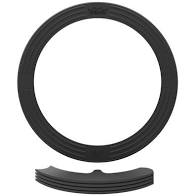
Price: SGD 47.90
Where: Sweelee
How to install
Evans EQ Pad Bass Drum Damper

Price: SGD 25.93
Where: Amazon SG
How to Install
It is essential to point out that different products have slightly different ways of installing. Please take note of that when purchasing the products.
Summary
As with choosing a drum, you need to know the kind of sound you want before you start tuning – whether you want something higher pitched with more sensitivity or low pitched with a little more punch. Once you have that, it would be easier for you to fine-tune to your liking.
This guide only serves as a basic starting point for your tuning journey. As with any other skills, make sure that you understand the fundamentals of the steps, which will allow you to understand better the parameters that you can work with while adjusting to your liking.